The founder
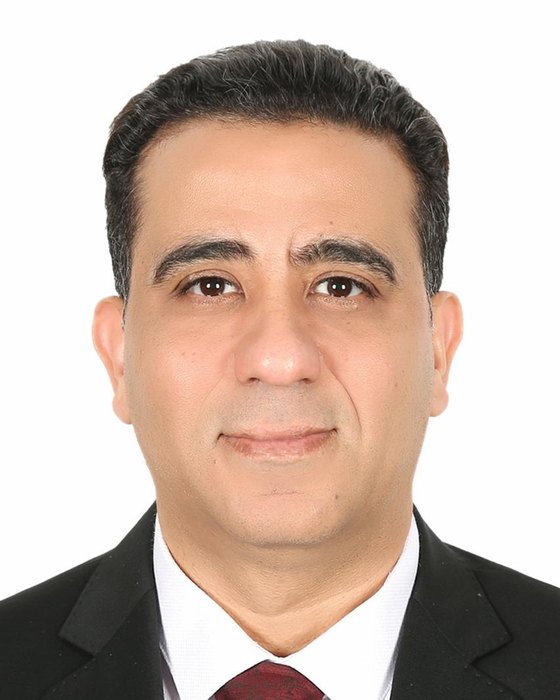
Ashraf Noureldin CPA, MBA, GRI
Founder of ANCPA Auditing L.L.C in Dubai. USA CPA, UAE registered auditor and Tax Agent, and GRI Certified Sustainability Professional, with more than 25 years in accounting, audit, tax and treasury.
- USA - California CPA 147070, check the Board record
- UAE - Tax Agent 20024196, check the FTA register
- UAE - Signing auditor 5465
- UAE - The firm's auditor entry LC4409-01
- UAE - The firm's Dubai license 1206648, check the Dubai directory
- International - GRI Certified Sustainability Professional since 2024, valid to 18 March 2027, check the GRI register
Registrations
Licensed in California. Registered in the UAE.
Each link opens the public register, so anyone can check: the California Board of Accountancy, the Federal Tax Authority, the Dubai business directory and the GRI register. The Ministry of Economy and Tourism keeps its auditors' register private; its numbers are on the right.
- CPACertified Public Accountant. The USA accounting qualification. Passed the CPA examinations in 2007; licensed by the California Board of Accountancy in June 2021. Board record
- Tax AgentRegistered Tax Agent, UAE Federal Tax Authority, since 2018. FTA register
- AuditorRegistered auditor, Ministry of Economy and Tourism, since 2023.
- Dubai licenseANCPA Auditing L.L.C, license 1206648, Department of Economy and Tourism, active to 7 August 2027. Dubai business directory
- GRIGRI Certified Sustainability Professional, Global Reporting Initiative, since 2024, renewed every year through continuing professional development, valid to 18 March 2027, on the GRI register (search Noureldin).
- MBAExecutive MBA, Cass Business School, now Bayes, City, University of London, 2017.
- B.ComBachelor of Commerce in Accounting, Faculty of Foreign Trade and Business Administration, 1992.
- California CPA147070California Board of Accountancy, status clear, valid to 30 September 2027. Board record
- UAE Tax Agent20024196Federal Tax Authority, first listed in 2018. FTA register
- Signing auditor5465Ministry of Economy and Tourism auditors' register, valid to 16 April 2029
- The firm's auditor entryLC4409-01ANCPA Auditing L.L.C on the same register, first entered 30 August 2023, valid to 29 August 2029
- GRI Certified Sustainability ProfessionalGRIGlobal Reporting Initiative register, current certificate valid to 18 March 2027 (search Noureldin). GRI register
- The firm's Dubai license1206648Department of Economy and Tourism, valid to 7 August 2027. Dubai directory
Profile
25 years in finance before the firm opened. Every audit report since, signed by the same person.
Ashraf Noureldin founded ANCPA Auditing L.L.C in Dubai in 2023, after more than 25 years in accounting, audit, tax and treasury across Egypt, the USA and the UAE. Today he signs the firm's audit reports and the UAE returns it files, and reviews every USA return before it goes.
Sixteen of those years were with one Dubai family office, which is why the firm puts all services under one roof. His experience, in six headings:
Family office finance
16 years with one Dubai family.
- Acting Group CFO of the holding group, then 13 years as Head of Finance of the single family office
- Cash flow, liquidity and treasury
- The consolidated wealth report: cash, investments and real estate on one page
- Accounting, tax and Big 4 audits of every company holding a family asset
- Economic Substance, FATCA and CRS filings
- Annual Zakat across every asset class, under Sharia rulings
- Offshore structures and cross-border inheritance questions
UAE audit
Registered auditor 5465, Ministry of Economy and Tourism.
- External audits to International Standards on Auditing, signed by him
- Internal audits of controls and compliance
- Liquidation audits and the liquidator's report
- Net worth, turnover and capital certificates
- Sectors: real estate, pharmaceutical, trading, travel agencies, logistics, contracting, healthcare and professional services
UAE tax
Tax Agent 20024196, Federal Tax Authority, since 2018.
- Corporate tax registration and annual returns
- VAT and excise tax registration, returns and refunds
- Transfer pricing disclosures, local file and master file
- Tax Residency Certificates
- FTA penalties: voluntary disclosure and reconsideration
USA tax
California CPA 147070, licensed in 2021.
- Returns for USA citizens and green card holders in the UAE: Form 1040, FBAR and Form 8938
- USA business returns and payroll: Forms 1120, 1120-S, 1065 and 5472
- USA bookkeeping, served remotely
- Audit and peer review support for USA CPA firms
- Returns prepared and signed by him in Dubai, in Lacerte and ProSeries, under his own PTIN, and e-filed through the firm's USA associates
Sustainability and carbon accounting
GRI Certified Sustainability Professional since 2024, renewed every year, valid to 18 March 2027. Areas of knowledge:
- Sustainability reports under the GRI Standards: the Universal Standards GRI 1, 2 and 3, and the topic standards
- Carbon accounting: Scope 1, 2 and 3 greenhouse gas emissions under GRI 305 and the GHG Protocol
- The GHG Protocol's Scope 2 course, completed July 2026
- IFRS S1 and S2: general and climate-related disclosures
- The Emerald Sustainability KPIs of the Department of Health, Abu Dhabi
- Preparing a greenhouse gas inventory for verification under ISO 14064-3 by an accredited body
Earlier career and education
Before the family office.
- Accounting and internal audit at a manufacturing group in Egypt, from 1994
- Chief accountant of a Dubai group
- Finance manager for private equity and investments at an Abu Dhabi holding group
- Passed the USA CPA examinations in 2007
- Executive MBA, Cass Business School, now Bayes, City, University of London, 2017
- Bachelor of Commerce in Accounting, 1992
Articles
What he has written for the firm.
Each one cites the decision or the law it relies on, and carries the date it was written or last updated.
USA tax returns from the UAE and GCC: who must file
FeesHow much does an accountant cost in Dubai?
AuditIFRS S1 and S2: what they mean for the financial statement audit
Corporate taxUAE corporate tax penalties in 2026: what they cost, and when they apply
E-invoicingUAE e-invoicing, 2026 to 2027: who, when and what to do
AuditWho must be audited in the UAE in 2026
Corporate taxHow to register for corporate tax in the UAE
Contact us